
Duallock 101: A Complete Homeowner’s Guide to Sizing, Installation & Replacement
Mushroom-Head Interlocking Fasteners 101: A Complete Homeowner’s Guide to Selection, Installation & Troubleshooting
Introduction
Looking for a reliable way to secure removable panels, organize household items, or keep lightweight fixtures in place? Mushroom-head interlocking fasteners may be a practical solution for many home improvement projects.
Unlike conventional hook-and-loop fasteners, mushroom-head interlocking fasteners use two mating surfaces covered with specially shaped stems. When the two sides are pressed together, the stems interlock to create a secure, reusable connection. Depending on the product design, this fastening method can provide a convenient alternative to permanent adhesives, conventional clips, or other removable fastening options.
However, choosing the right fastener requires more than comparing product appearance or price. Substrate material, contact area, required holding strength, installation conditions, and expected removal frequency all influence performance.
In this guide, we explain how mushroom-head interlocking fasteners work, how to choose a suitable product for household applications, how to install them correctly, and how to troubleshoot common problems. We also cover the key specifications homeowners should review before purchasing.
1. What Are Mushroom-Head Interlocking Fasteners?
Mushroom-head interlocking fasteners are reusable fastening components designed to connect two surfaces through mechanical engagement. Each mating surface contains specially shaped stems with enlarged heads. When compatible surfaces are pressed together, the heads engage with one another to form a connection.
The resulting bond is mechanical rather than purely adhesive. If the product is supplied with a pressure-sensitive adhesive backing, the adhesive attaches the fastener to the substrate, while the interlocking structures connect the two mating sides.
This distinction is important: the adhesive-to-surface bond and the interlocking connection are two separate parts of the fastening system. Either can become the limiting factor in actual use.
Key advantages
- Reusable connection: Suitable for applications that require repeated attachment and removal, subject to the product’s design and tested reuse performance.
- Convenient installation: Adhesive-backed versions may eliminate the need for drilling or additional mounting hardware on compatible surfaces.
- Flexible applications: Different sizes, configurations, backing options, and engagement strengths can accommodate a range of household and light-duty applications.
- Clean appearance: The fasteners can be relatively discreet when installed behind panels or beneath removable accessories.
- Potentially reduced permanent damage: Suitable adhesive-backed products may be useful for applications where conventional screws or permanent mounting methods are undesirable.
Where can they be used at home?
Common potential applications include:
- Removable decorative panels and lightweight covers.
- Cable organizers and selected household accessories.
- Removable signs, labels, and display components.
- Certain storage and organizational fixtures.
- Selected equipment covers and lightweight interior components.
The appropriate application depends on the product’s rated performance, the mounting surface, and the consequences of a fastening failure.
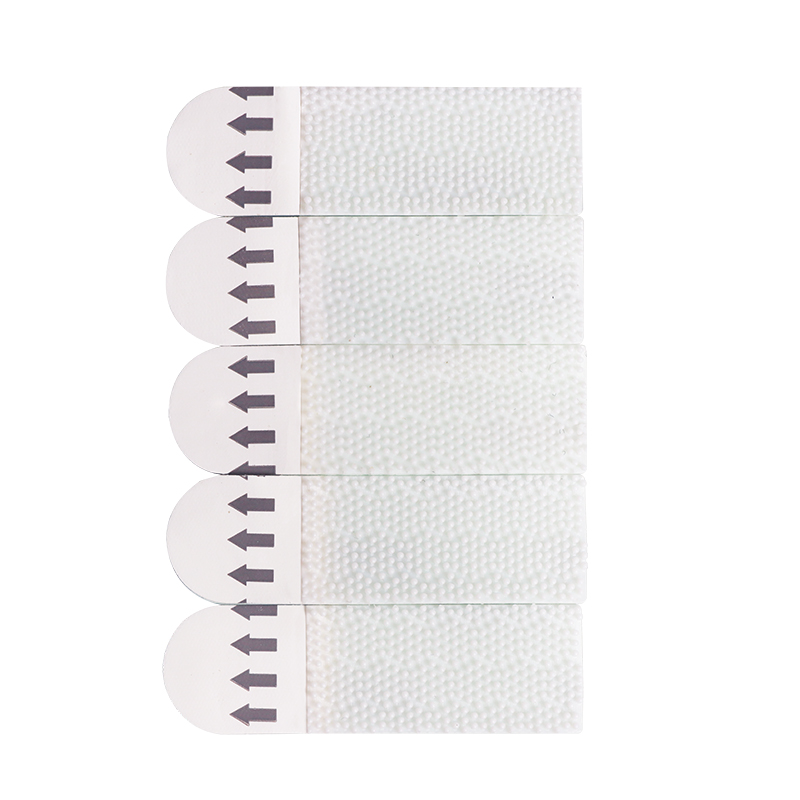
Mushroom-Head Interlocking Fasteners
Important: Mushroom-head interlocking fasteners are not automatically suitable for every cabinet door, heavy panel, overhead object, child-safety application, or load-bearing installation. Verify the intended use and product specifications before installation.
2. How to Choose the Right Interlocking Fastener
Choosing the right mushroom-head interlocking fastener begins with understanding the application rather than selecting a product based on appearance alone.
Step 1: Identify the application
Start by determining what you need to secure, where it will be installed, and whether it needs to be removed frequently.
For example, a removable decorative panel may require different fastening characteristics from a frequently accessed equipment cover. A lightweight organizer may also have different requirements from a component exposed to vibration.
Step 2: Check the required holding performance
Consider the object’s weight, dimensions, orientation, and exposure to pulling forces, vibration, or impact.
Do not assume that a fastener suitable for one application will perform equally well in another. Holding performance depends on factors such as the engaged area, engagement strength, substrate, adhesive, and direction of the applied force.
When available, review the manufacturer’s test data and recommended application limits. For safety-critical installations, use a fastening system specifically rated for the intended application.
Step 3: Select the appropriate engagement strength
Different interlocking structures can offer different levels of engagement and release force.
- Lower engagement force: May be preferable when frequent removal and easy separation are priorities.
- Higher engagement force: May be useful when a more secure connection is required, provided the application and removal method are suitable.
- Specialized configurations: May be necessary for applications involving vibration, repeated servicing, or specific environmental conditions.
A stronger engagement is not always better. Excessive separation force can make removal difficult or place additional stress on the mounting surface.
Step 4: Choose the right mounting method
Mushroom-head interlocking fasteners may be available with different backing or mounting options, depending on the product.
| Mounting option | Potential advantage | Key consideration |
|---|---|---|
| Pressure-sensitive adhesive backing | Convenient installation without drilling on compatible surfaces | Surface preparation, adhesive compatibility, and curing or dwell requirements |
| Mechanical mounting | May be suitable where adhesive bonding is unsuitable | Substrate strength, mounting hardware, and installation requirements |
| Specialized adhesive or mounting system | May support specific substrates or operating conditions | Follow the product-specific application instructions |
Step 5: Check environmental compatibility
Consider whether the fastener will be exposed to moisture, elevated temperatures, sunlight, cleaning chemicals, or outdoor conditions.
Not all adhesives, polymers, or backing materials perform equally in these environments. If the application involves bathrooms, kitchens, vehicles, or outdoor equipment, check the manufacturer’s environmental limitations before purchasing.
3. Installation Guide: How to Apply Mushroom-Head Interlocking Fasteners
Correct installation is essential for achieving reliable fastening performance, especially when using adhesive-backed products.
The following procedure provides a general reference. Always follow the instructions supplied with your specific fastener, as adhesive types, substrates, and installation requirements can vary.
Step 1: Prepare the mounting surfaces
Make sure both mounting surfaces are suitable for the selected adhesive or mounting method.
Remove dust, grease, loose particles, and other contaminants using a cleaning method compatible with the substrate. Allow the surface to dry completely before applying the fastener.
Avoid aggressive solvents that may damage plastic, painted finishes, or other sensitive materials.
Step 2: Measure and plan the placement
Determine where each mating piece will be installed. Check the available space, alignment, and expected contact area before removing any protective liner.
For panels or accessories that need to be removed periodically, consider whether the placement will allow sufficient access for separation without damaging surrounding components.
Step 3: Apply the fastener
For adhesive-backed versions, remove the protective liner without touching the exposed adhesive unnecessarily.
Position the fastener carefully and press it firmly against the mounting surface, following the manufacturer’s application instructions. Avoid repositioning the adhesive repeatedly unless the product is specifically designed to allow it.
For mechanically mounted versions, use the specified mounting hardware and installation procedure.
Step 4: Allow the adhesive to develop its bond
Do not assume that an adhesive-backed fastener reaches its full holding performance immediately after installation.
Some adhesives require a specified dwell or curing period before the assembly can be used. Follow the product instructions for temperature, pressure, and waiting time.
Step 5: Engage the two mating surfaces
Align the two compatible interlocking pieces and press them together evenly.
Check that the intended engagement area is in contact and that the assembly is not misaligned. Avoid applying excessive force that could damage the fastener or substrate.
Step 6: Test the installation safely
Before placing the assembly into regular use, inspect the mounting points and verify that the connection engages and separates as intended.
For heavier objects or applications where failure could cause injury or damage, do not rely on an informal hand test alone. Follow the manufacturer’s specified verification procedure and use an appropriately rated mounting system.
4. Common Problems and Troubleshooting
Even a suitable interlocking fastener may perform poorly if the mounting surface, installation method, or application conditions are incorrect.
Problem 1: The fastener does not hold securely
Possible causes:
- The two mating pieces are incompatible.
- The engaged area is too small.
- The mounting surface is contaminated or unsuitable.
- The adhesive has not developed sufficient bond strength.
- The application exceeds the product’s recommended performance limits.
What to do:
Check product compatibility and alignment first. Inspect the adhesive interface for lifting, contamination, or damage. If the fastener is undersized or unsuitable for the application, replace it with a compatible product rather than assuming that pressing harder will solve the problem.
Problem 2: The adhesive backing begins to lift
Possible causes:
- Inadequate surface preparation.
- Poor compatibility between the adhesive and substrate.
- Installation under unsuitable temperature or moisture conditions.
- Insufficient bonding time.
- Excessive peel stress or repeated movement.
What to do:
Remove the load if it is safe to do so and inspect the mounting surface. Replace the fastener if the adhesive is damaged or contaminated. Do not simply press a visibly failing adhesive layer back into place and assume that the original performance has been restored.
Problem 3: The two surfaces are difficult to separate
Possible causes:
- The product has a relatively high engagement force.
- The engagement area is larger than necessary.
- The pieces are misaligned or difficult to access.
What to do:
Follow the manufacturer’s recommended separation method. Where possible, separate the pieces progressively from an accessible edge rather than pulling forcefully in a direction that may damage the substrate. Do not insert sharp metal tools between the mating surfaces.
Problem 4: The connection becomes weaker after repeated use
Possible causes:
- Wear or damage to the interlocking stems.
- Accumulated dust or debris.
- Damage to the adhesive interface.
- Use beyond the product’s intended service conditions.
What to do:
Inspect both mating surfaces and remove loose debris using a method approved for the product. Replace worn or damaged components when necessary. For critical applications, follow the manufacturer’s inspection and replacement recommendations.
Problem 5: The fastener is exposed to moisture or high temperatures
Possible causes:
The adhesive, backing material, or interlocking structure may not be designed for the actual operating environment.
What to do:
Review the product’s environmental specifications and select a version intended for the relevant conditions. Do not assume that every interlocking fastener is waterproof, heat-resistant, UV-resistant, or suitable for permanent outdoor use.
5. How to Maintain and Extend Service Life
Proper maintenance can help preserve fastening performance, but the expected service life depends on the product construction, operating environment, and frequency of use.
For better long-term performance:
- Inspect regularly: Check for damaged stems, contamination, adhesive lifting, and signs of substrate deterioration.
- Keep the mating surfaces clean: Remove loose debris using a cleaning method compatible with the product.
- Avoid excessive force: Engage and separate the fastener according to the recommended procedure.
- Monitor the mounting surface: A strong interlocking connection cannot compensate for a weak, peeling, or deteriorating substrate.
- Replace damaged components: Do not continue using visibly damaged fasteners in applications where failure could cause harm or property damage.
- Follow the product specifications: Service life and reuse capability should be evaluated using the manufacturer’s applicable test data rather than a generic cycle-life estimate.
If you are selecting products for repeated-use applications, ask the supplier about engagement and separation force, reuse-cycle testing, adhesive compatibility, environmental resistance, and the conditions under which those results were measured.
6. Frequently Asked Questions
Q1: Are mushroom-head interlocking fasteners the same as traditional hook-and-loop fasteners?
No. Traditional hook-and-loop fasteners typically use hooks on one side and loops on the other. Mushroom-head interlocking fasteners use specially shaped stems with enlarged heads that engage with compatible stems on the mating surface. The two systems have different structures and performance characteristics.
Q2: Can I use adhesive-backed interlocking fasteners without drilling?
In many suitable applications, yes. Adhesive-backed versions can be installed without drilling when the substrate, adhesive, and expected load are compatible. Surface preparation and the specified bonding period remain important.
Q3: Can these fasteners be used on cabinet doors?
They may be suitable for selected lightweight cabinet panels or accessories, depending on the product’s design and tested performance. However, they should not automatically be treated as replacements for cabinet latches, hinges, or child-safety locks. Evaluate the intended function and safety requirements before selecting a product.
Q4: Are mushroom-head interlocking fasteners waterproof?
Not necessarily. Water resistance depends on the materials, adhesive, construction, and intended application. Check the specifications for the exact product rather than assuming that all versions are suitable for wet or outdoor environments.
Q5: How do I know which size to buy?
Start with the available mounting area, required engagement area, expected load, and installation method. Then check the product dimensions and recommended application range. If you are unsure, provide the supplier with the application details, substrate material, and installation conditions before ordering.
Q6: What should I ask a supplier before purchasing?
For a more informed purchasing decision, ask about:
- Available dimensions and engagement configurations.
- Adhesive and substrate compatibility.
- Engagement and separation force.
- Reuse-cycle test methods and results, if available.
- Temperature, moisture, and UV limitations.
- Relevant material declarations and compliance documentation.
- Sample availability and customization options.
The answers should be specific to the product being quoted rather than general claims about the supplier’s entire product range.
7. Choosing a Reliable Interlocking Fastener Manufacturer
Product selection is only part of the purchasing process. The manufacturer’s production capability, quality management, customization support, and documentation can also affect product consistency and long-term supply reliability.
When evaluating a supplier, consider the following factors:
- Manufacturing experience: Look for experience relevant to the product structure and intended application.
- Quality management: Ask about the quality management system, incoming material inspection, production controls, and finished-product inspection.
- Product testing: Request applicable technical data and test reports for the specific product and material configuration.
- Customization capabilities: Confirm whether the manufacturer can support different dimensions, adhesive options, shapes, packaging, or other application-specific requirements.
- Sample evaluation: Test representative samples under the intended installation and operating conditions before placing a large order.
- Documentation and traceability: Confirm that the supplier can provide the documentation required for your market and application.
For projects with specific performance requirements, discuss the intended application with the manufacturer before finalizing the design. This helps establish whether the proposed fastener is suitable and which properties need to be verified.
Manufacturing and customization support
Dongguan JIEHUAN Electronic Technology Co., Ltd. is a manufacturer of fastening products, with experience in product development, production, and customized solutions.
For buyers evaluating interlocking fastening products, working directly with a manufacturer can help clarify available product configurations, adhesive options, material requirements, sample testing, and customization possibilities.
Before making purchasing decisions, request the relevant specifications and supporting documents for the exact product under consideration. Product performance and compliance should be assessed based on the applicable evidence for that product, rather than inferred solely from general company credentials.

Dongguan JIEHUAN Electronic Technology Co., Ltd.
Conclusion
Mushroom-head interlocking fasteners offer a reusable mechanical fastening option for a variety of suitable household, organizational, and light-duty applications. Their effectiveness depends on selecting a compatible product, preparing the mounting surface correctly, following the recommended installation procedure, and understanding the limitations of the fastening system.
Before purchasing, evaluate the required holding performance, mounting method, environmental conditions, and expected frequency of removal. Where product specifications or safety requirements are unclear, consult the manufacturer and request relevant technical documentation.
For homeowners, careful selection and proper installation can help avoid common fastening problems. For distributors and project buyers, evaluating manufacturing capability, product consistency, testing documentation, and customization support can make supplier selection more reliable.